
Historic Home Plumbing: Common Pipe Crises in Homes
Walking into a historic home often feels like stepping back in time. The architectural details, from hand-carved mantels to sweeping staircases, possess a unique character that modern construction rarely matches. Whether it is a stately Victorian, a cozy Craftsman bungalow, or a classic mid-century property, these buildings are beloved pieces of local history. Yet, beneath the beautiful surface lies a complex, invisible network of utilities that has been working hard for generations. The plumbing system, in particular, often bears the heaviest burden of time. Over the decades, changing building codes, shifting soil, and natural material degradation can leave a vintage home vulnerable to severe plumbing emergencies. Managing these delicate, hidden systems requires patience and a specialized eye. Working with an experienced local plumber helps homeowners navigate these unique historical challenges before minor issues escalate into costly disasters.
Navigating Antiquated Pipe Materials
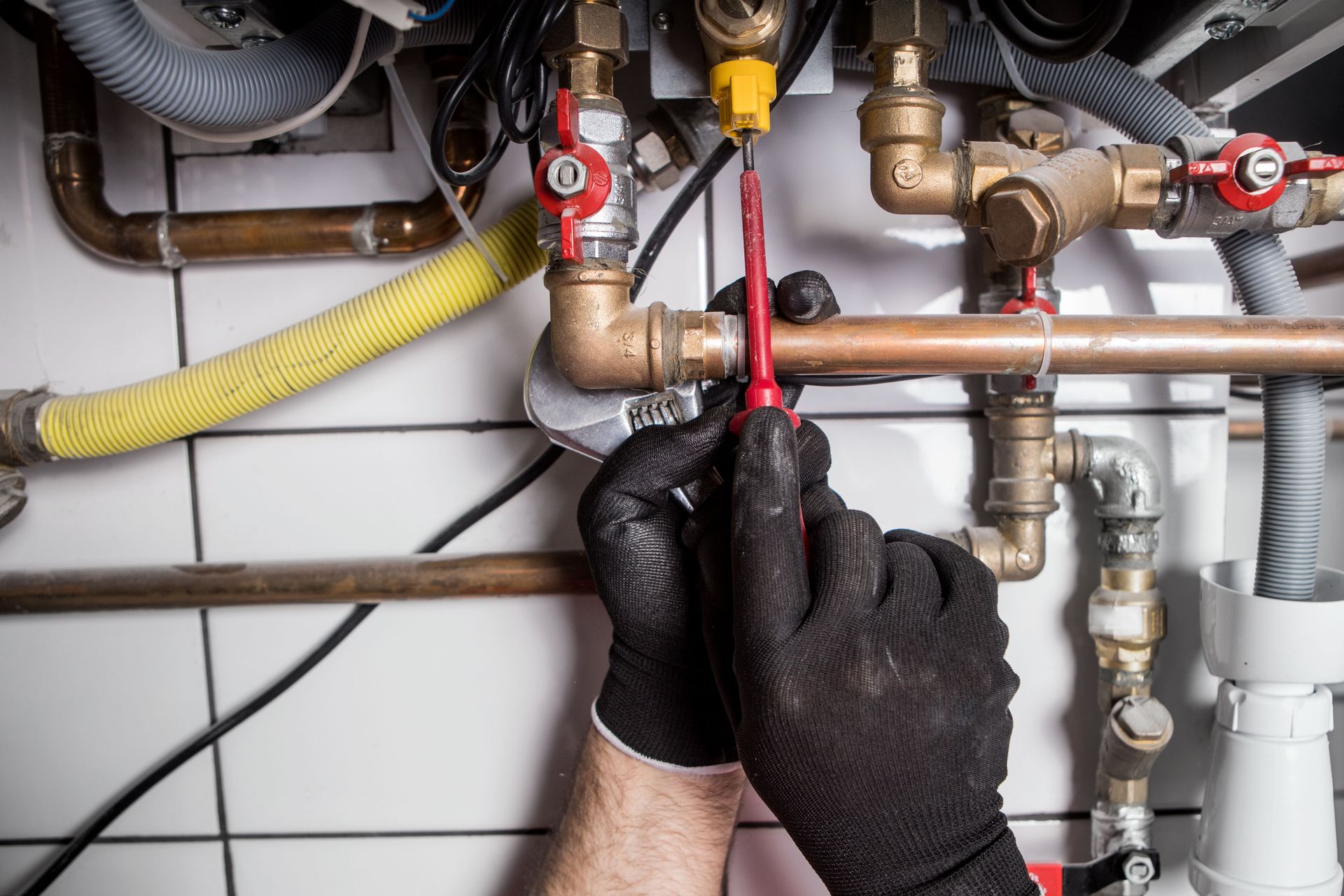
One of the most widespread challenges in vintage properties involves the actual materials used to build the water supply and drain lines. In homes constructed before the mid-1960s, builders heavily relied on galvanized steel and lead. Galvanized pipes are made of steel dipped in a protective layer of zinc. While this was considered cutting-edge technology at the time, the zinc coating eventually wears away after several decades of constant water exposure. Once the underlying steel is bare, it begins to rust from the inside out. Over time, the structural integrity of the metal weakens, leading to sudden pipe bursts or pinhole leaks hidden deep within plaster walls. Lead lines, which were frequently used for main water service entries during the early 20th century, introduce serious health hazards alongside structural concerns. Lead can leach into the household drinking supply, creating an unsafe environment for families. Replacing these old, brittle systems with modern copper or flexible PEX piping is often the most reliable way to secure an older home's long-term safety, a complex task best handled by a qualified local plumber.
Combating Sewer Line Failures
Plumbing crises in historic homes are not limited to what is behind the walls. The underground sewer lines that carry waste away from the property are equally vulnerable to aging. Many older properties still rely on original clay tiles, cast iron, or Orangeburg pipes for their main sewer lines. As the seals between these older pipe joints break down, they release moisture into the surrounding soil. This moisture draws in hungry tree roots. Mature trees, which often give historic neighborhoods their beautiful, shaded character, have expansive root systems that constantly seek out water. A tiny crack or loose joint in an old sewer line provides the perfect entry point. Once inside, the roots grow rapidly, feeding on the nutrients in the wastewater until they completely block the pipe or cause it to collapse entirely under the yard. When this happens, a local plumber must be called to clear the line or replace the damaged sections before waste backs up into the home.
Upgrading Outdated Plumbing Fixtures
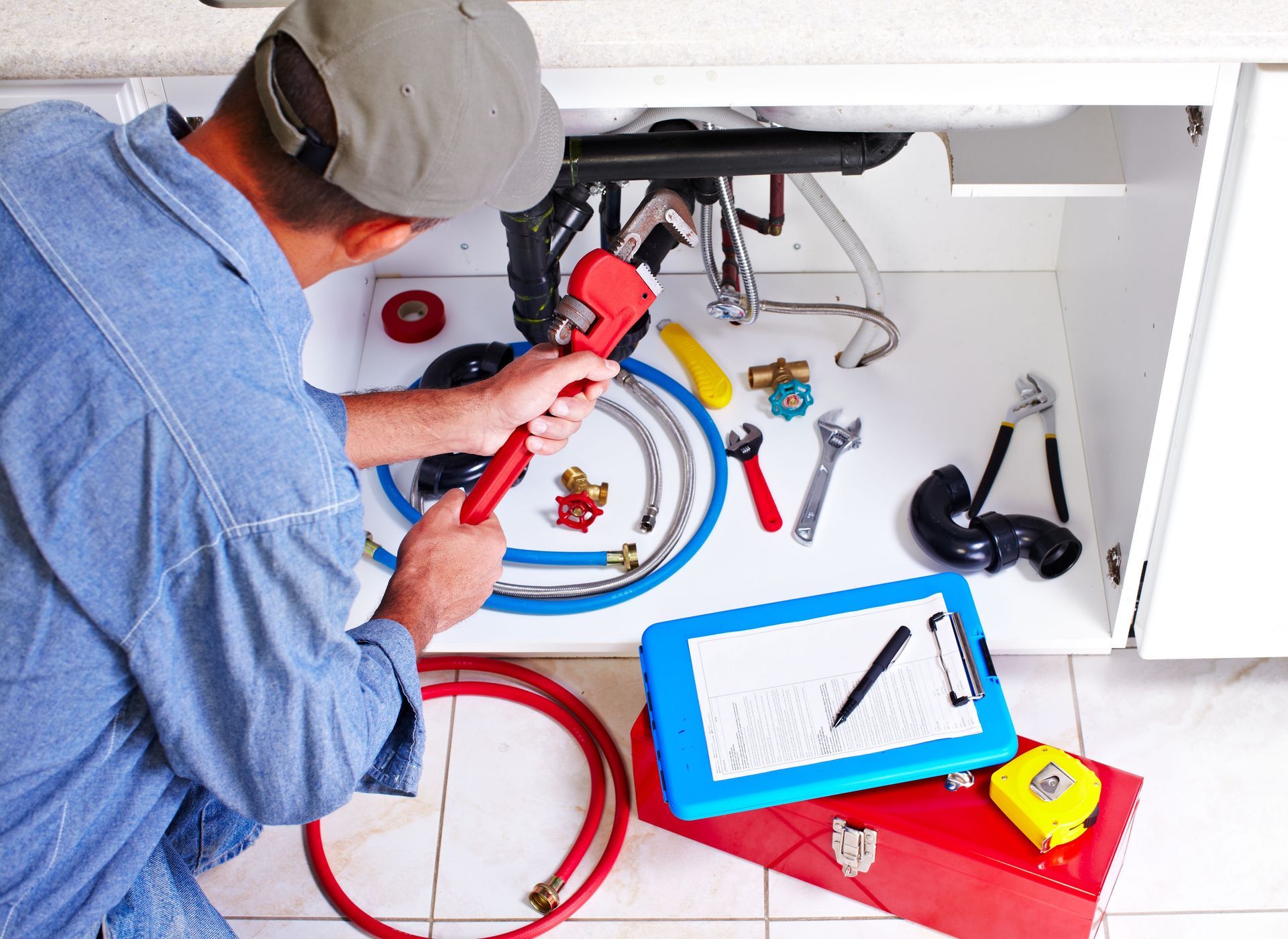
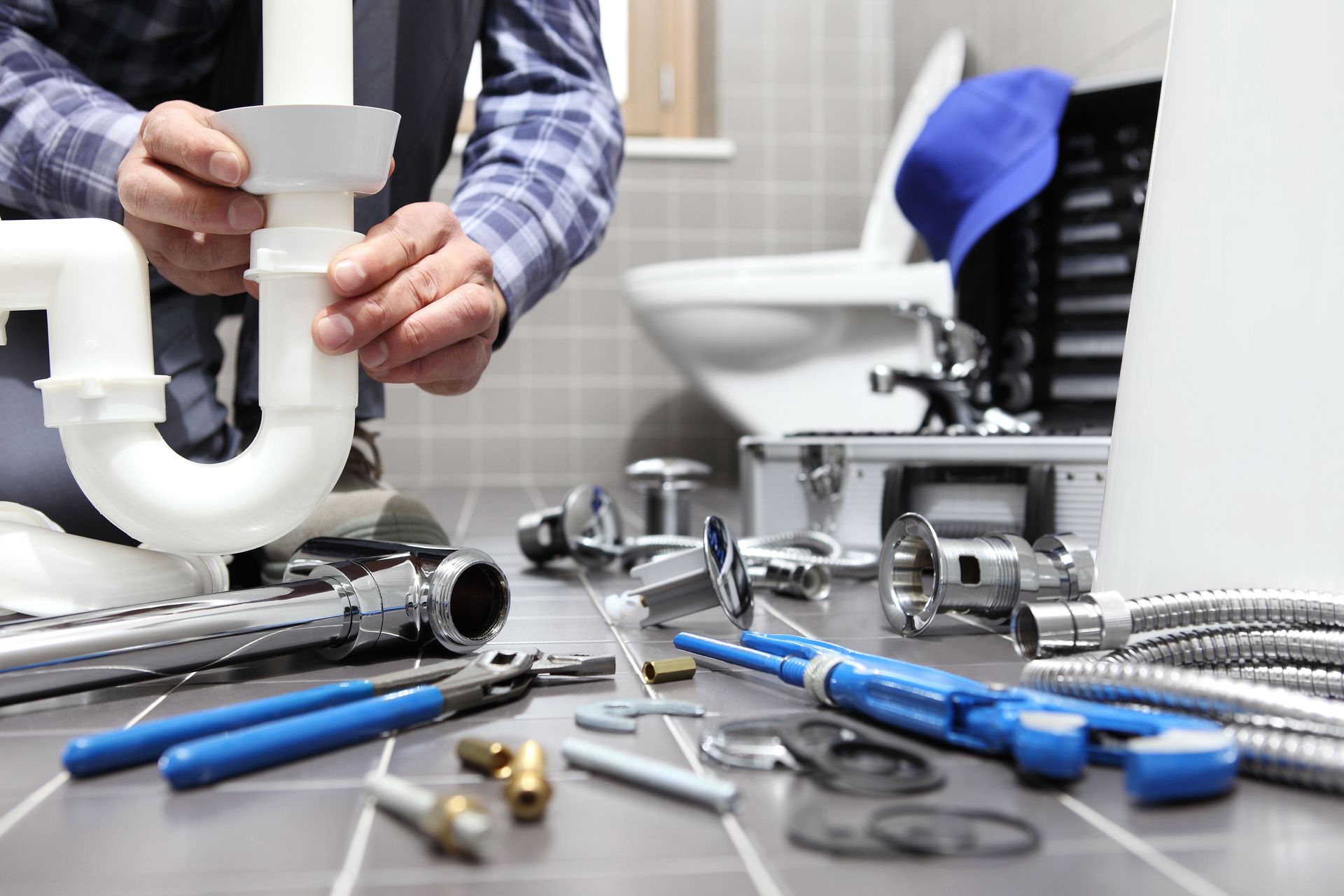
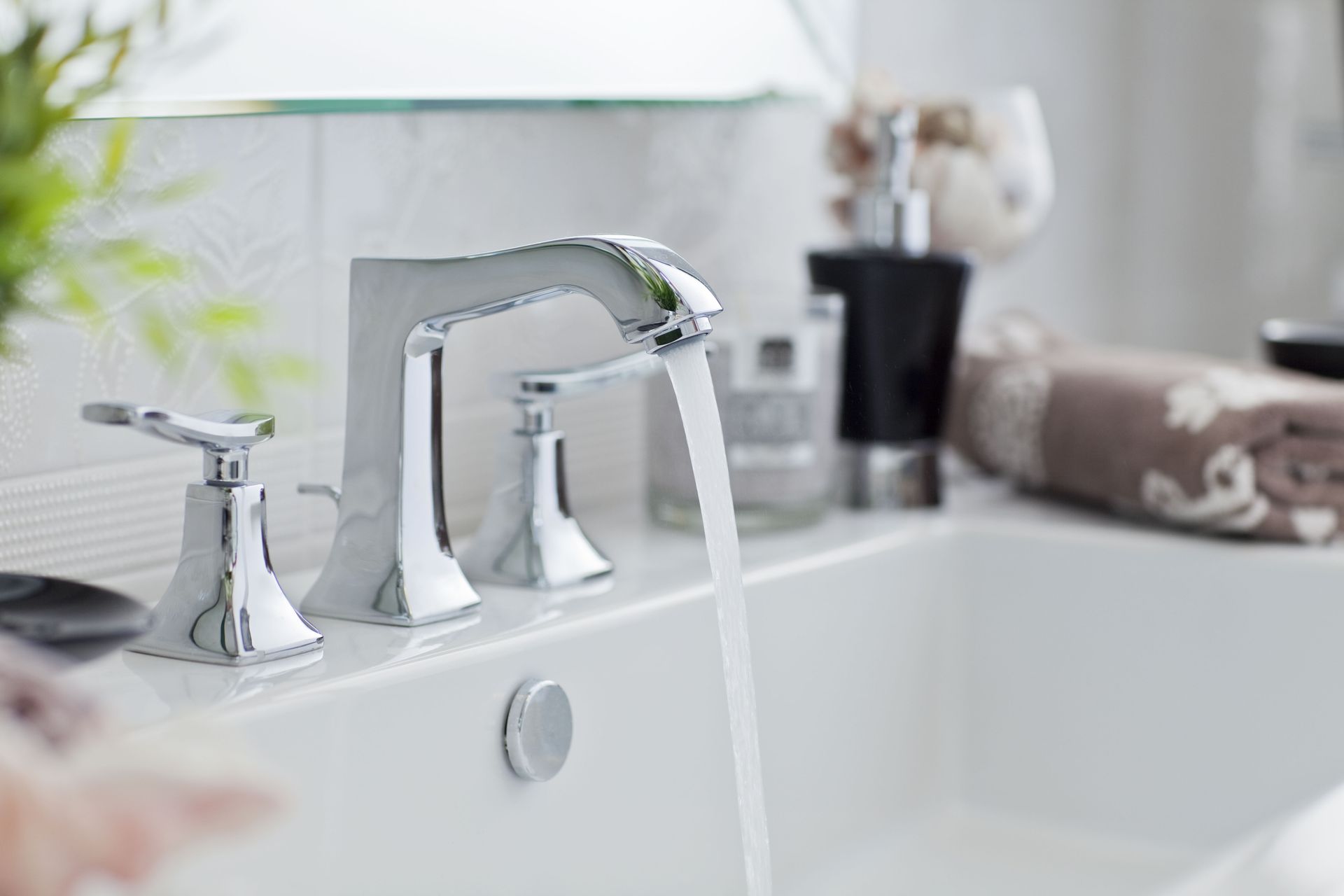
Original clawfoot tubs, vintage porcelain sinks, and classic brass faucets add undeniable aesthetic value to an older home, but their internal mechanisms are rarely up to modern standards of efficiency and reliability. Classic fixtures often utilize compression valves that rely on small rubber or leather washers to stop the flow of water. Over time, these washers dry out, crack, and lose their sealing ability, leading to persistent, annoying drips. According to the EPA, household leaks can waste nearly 1 trillion gallons of water annually nationwide. Models built before the 1990s often require anywhere from three to seven gallons of water per individual flush, compared to modern high-efficiency toilets that use less than a gallon and a half. On top of that, old internal flush mechanisms like ballcocks and float rods break down frequently, causing the toilet to run continuously. A running toilet can overwhelm older drainage systems and septic tanks, creating unsanitary conditions or localized backups in nearby basement drains and fixtures that an expert local plumber can remediate.
Managing Shifting Foundation Risks
Over many decades, a historic home settles into its foundation. While a slightly unlevel floor or a quirky doorframe might be viewed as part of the building's vintage charm, the plumbing system beneath the house does not handle structural movement well. When a foundation shifts or the soil beneath a crawlspace sinks, underground drain lines can lose the precise slope required for proper gravity-based drainage. This shifting can cause a section of the pipe to sag, creating a condition known as a "pipe belly." In a properly sloped drainage line, wastewater and solids flow smoothly downward toward the main sewer. However, in a bellied pipe, water pools in the sunken dip, and heavy debris settles to the bottom of the sag. Over time, this accumulation of grease, paper, and waste creates a thick, sludge-like buildup that completely chokes off the line, resulting in sewage backing up into the lowest drains of the home. Working with a knowledgeable local plumber who possesses specialized diagnostic equipment can help identify a pipe belly without tearing up the entire lawn or basement floor.
Fixing Low Water Pressure
Homeowners living in older properties frequently experience poor water pressure, making simple tasks like washing dishes or running a washing machine incredibly time-consuming. While this issue is often tied to the internal rust buildup found in galvanized pipes, it can also trace back to old, corroded shut-off valves. Historic homes often feature gate valves, which use an internal metal wedge that moves up and down when the handle is turned. Over decades of exposure to minerals in the water, these internal components become brittle and encrusted with scale. When a homeowner or a general contractor attempts to close the main valve to perform a quick repair, the internal gate can snap off the stem. When the handle is turned back to the open position, the broken gate remains partially or fully closed inside the pipe, permanently choking off the home's water supply and dropping pressure to a crawl. Upgrading these outdated components to modern, full-port brass ball valves provides a reliable way to shut off water instantly during emergencies without risking a permanent loss of household water pressure, an essential upgrade that a dependable local plumber can complete.
Preventing Cross-Connection Hazards
Modern residential plumbing codes place a heavy emphasis on preventing cross-connections, which occur when clean, safe drinking water accidentally comes into contact with contaminated wastewater. Unfortunately, older plumbing systems were often put together long before these strict health and safety standards were written into law. For instance, many vintage bathtubs and sinks feature low-slung faucets where the spout sits below the overflow rim of the basin. If a sink fills to the top with dirty water and a sudden drop in municipal water pressure occurs—such as during a nearby fire hydrant use or a water main break—a vacuum can form. This vacuum can siphon the dirty basin water directly back into the home's fresh drinking water lines. Older boiler heating systems can also pose cross-connection risks if they lack dedicated backflow prevention valves. Ensuring that an older home remains safe requires evaluating these hidden cross-connections and installing modern backflow prevention assemblies to protect the household water quality, which a licensed local plumber can inspect and install.
Finding Trusted Professional Guidance
Caring for a classic property is a labor of love that requires specialized expertise, high-quality materials, and a deep respect for historical craftsmanship. When facing old, deteriorating pipes, hidden moisture damage, or sluggish drainage systems, DIY fixes and shortcut repairs are rarely enough to safeguard your investment. Overcoming these complex challenges demands the assistance of a trusted local plumber who understands the unique nuances of older residential construction. Protect your home's timeless beauty and ensure your systems run flawlessly by contacting Sullivan Plumbing & Heating Inc today to schedule an expert plumbing consultation!
Share On: