October 3, 2026
Seasonal changes can affect nearly every part of a home’s plumbing system, from exposed outdoor faucets to pipes hidden behind walls. Temperature shifts, changing water usage, and weather conditions can place additional stress on fixtures, drains, and supply lines throughout the year. Homeowners who follow a regular maintenance routine can identify small concerns before they develop into more disruptive plumbing problems. Working with plumbing contractors when professional assistance is needed can also help keep essential systems operating properly. A seasonal approach makes it easier to organize maintenance tasks and prepare the home for changing conditions.
Prepare Plumbing Systems for Spring
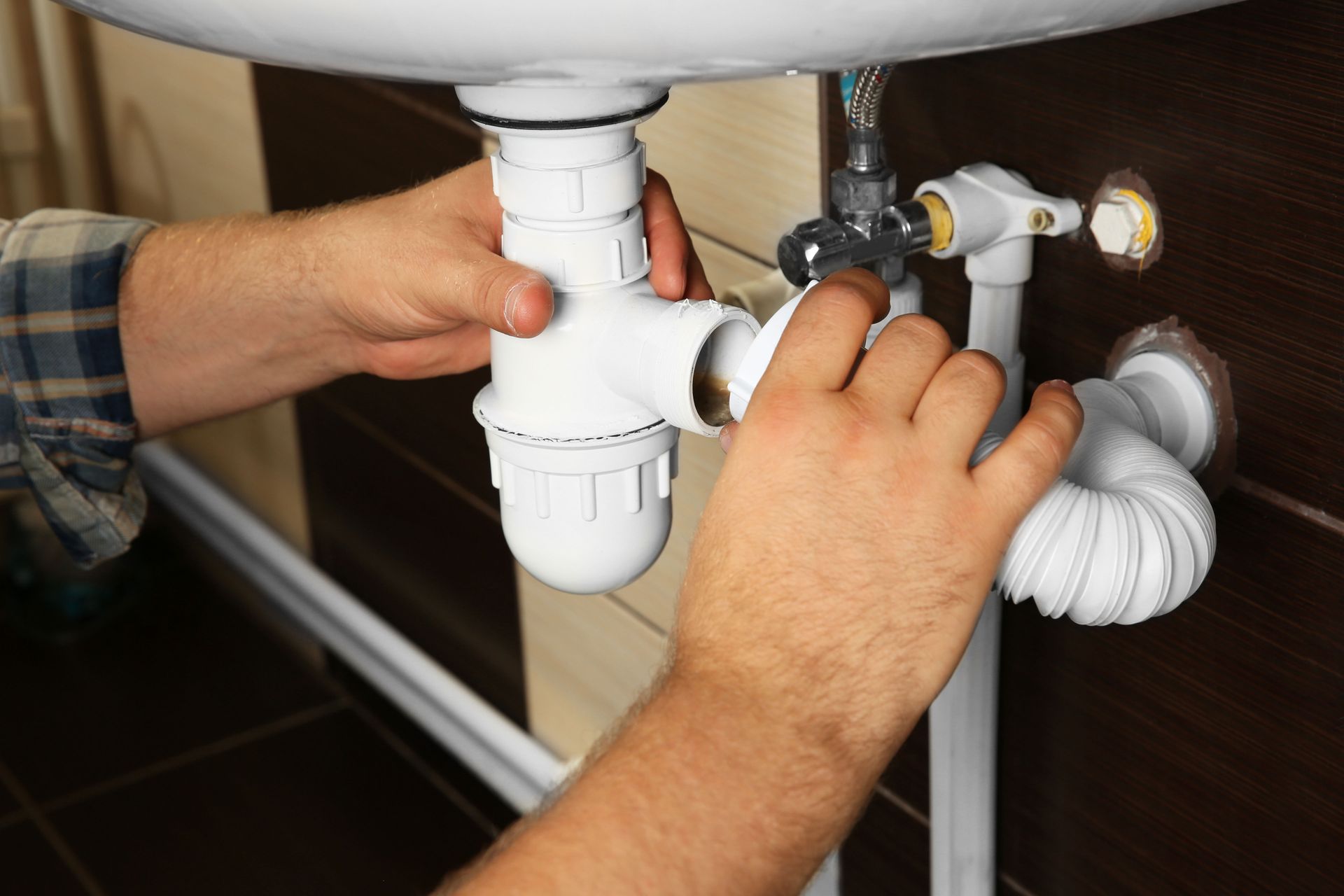
Spring is a useful time to inspect plumbing systems after the colder months have passed. Begin by checking exposed pipes, outdoor faucets, hose connections, and other exterior plumbing components for visible damage. Look underneath sinks and around toilets for signs of moisture, dripping water, or damaged connections that may have developed during winter. Homeowners should also inspect areas around the water heater because small leaks can become more noticeable as water usage increases. Plumbing contractors can assist with concerns that are difficult to identify or safely repair without specialized equipment. Cleaning faucet aerators can improve water flow by removing mineral deposits and accumulated debris. It is also helpful to check drains throughout the home and address slow drainage before buildup becomes more severe. Completing these tasks in spring creates a strong starting point for the rest of the year's plumbing maintenance.
Protect Outdoor Plumbing During Summer
Summer often brings increased outdoor water use, making exterior plumbing an important maintenance priority. Garden hoses, sprinklers, outdoor faucets, and irrigation connections may be used more frequently during warmer weather. Inspect hose connections for cracks or loose fittings that could allow water to escape. Outdoor faucets should be checked for dripping because even a small leak can waste water over time. When searching for plumbing contractors, homeowners may also consider professional help for irrigation or exterior plumbing concerns that require more extensive inspection. Inside the home, increased guest activity and water consumption can place additional demands on toilets, showers, sinks, and drains. Make sure drains remain clear of hair, food particles, grease, and other materials that can contribute to blockages. Taking care of these details during summer can reduce unnecessary water waste and help plumbing fixtures handle heavier use.
Maintain Drains and Fixtures in Fall
Fall provides an opportunity to prepare the home's plumbing system for colder weather and increased indoor activity. Start by checking kitchen and bathroom drains for slow movement or recurring backups. Kitchen sinks deserve particular attention because grease, food residue, and other materials can accumulate inside drain lines. Bathroom drains can also collect hair and soap residue, gradually restricting normal water flow. Plumbing contractors may be useful when a drain repeatedly slows down despite routine cleaning because recurring problems can indicate a deeper issue. Inspect faucets and showerheads for mineral buildup and clean them when necessary to maintain proper water flow. Toilets should also be checked for running water, weak flushing, or unusual sounds that may indicate worn components. Completing these inspections before winter gives homeowners an opportunity to address developing concerns before colder temperatures arrive.
Prepare Pipes for Winter Conditions
Cold weather can create serious challenges for plumbing systems, particularly where pipes are exposed to low temperatures. Before winter arrives, inspect pipes located in garages, crawl spaces, basements, attics, and other areas that may have limited insulation. Exposed pipes can benefit from appropriate insulation designed to reduce their exposure to freezing temperatures. Homeowners should also disconnect garden hoses and shut off exterior water supplies when recommended for the property's plumbing configuration. If a property has vulnerable plumbing areas, plumbing contractors can evaluate the system and identify locations that may need additional protection. During especially cold periods, maintaining suitable indoor temperatures can help protect pipes located near exterior walls. Cabinet doors beneath sinks can sometimes be opened during extreme cold to allow warmer household air to reach vulnerable supply lines. These precautions can help reduce the possibility of frozen pipes and the water damage that may follow a burst line.
Monitor Water Heater Performance
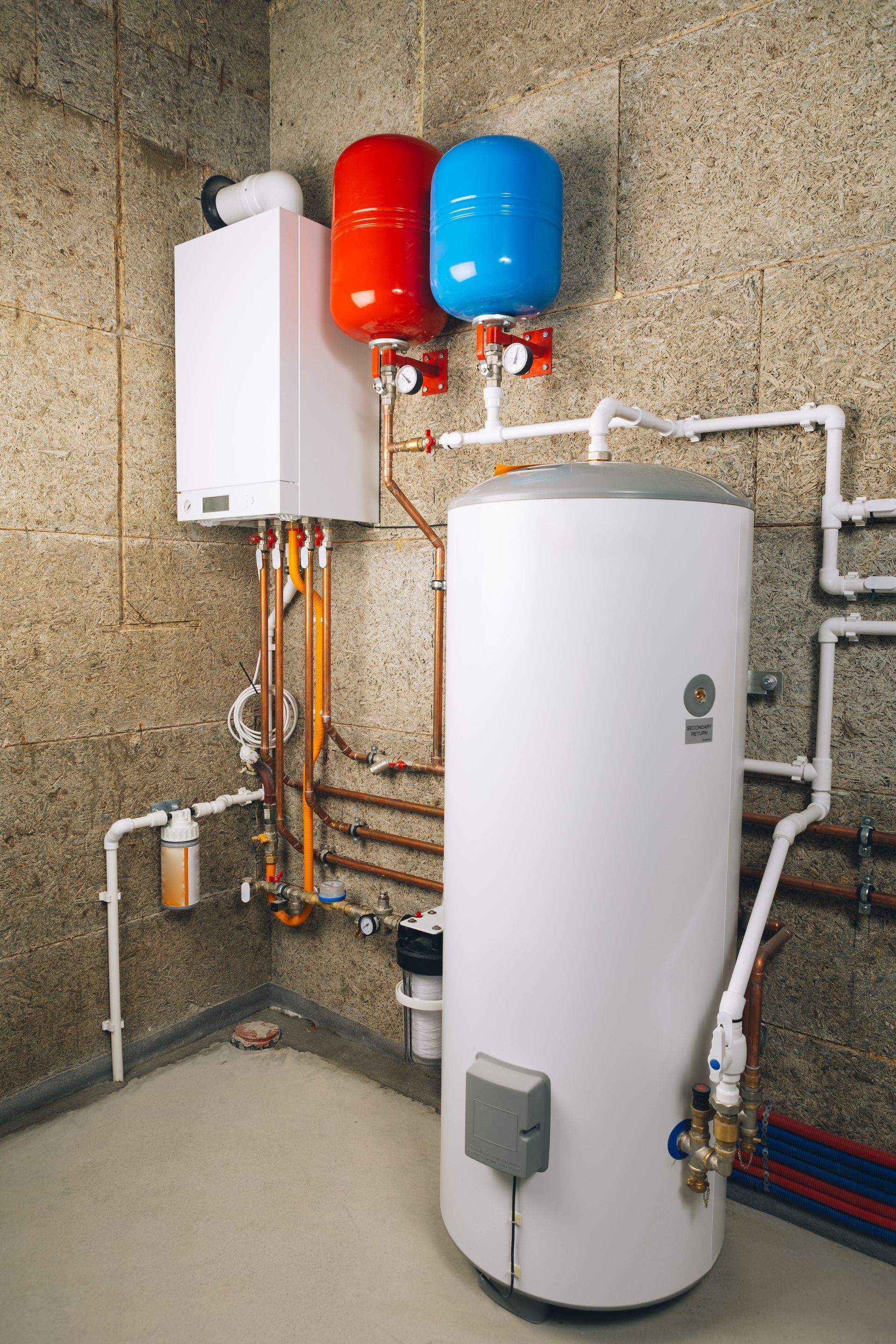
The water heater is one of the most frequently used plumbing appliances in a home, so seasonal maintenance should include a basic inspection. Homeowners can look for visible leaks around the tank, connections, valves, and surrounding floor area. Changes in water temperature, unusual noises, or inconsistent hot water may also indicate that the system needs attention. When plumbing contractors inspect a water heater, they can evaluate components that may not be easily assessed through a basic visual inspection. The area around the water heater should remain clear so that the equipment can be accessed safely when maintenance is necessary. Homeowners should also follow the manufacturer's maintenance recommendations rather than attempting procedures that require specialized knowledge. If the system is older, recurring performance problems may warrant a professional evaluation before the issue becomes an unexpected disruption. Regular attention can help homeowners recognize changes in water heater performance and respond before a minor concern develops into a larger problem.
Check for Leaks Throughout the Home
Small leaks are easy to overlook because they may occur in areas that receive little daily attention. Check under bathroom and kitchen sinks, around toilet bases, near appliance connections, and around visible supply lines. Look for water stains, damp cabinets, peeling materials, mold-like growth, or unexplained moisture that could indicate a hidden plumbing issue. A sudden increase in water usage without a corresponding change in household habits can also deserve further investigation. Plumbing contractors can use professional diagnostic methods to locate leaks that are not immediately visible. Homeowners can also periodically check exposed pipe joints and shutoff valves for dripping or corrosion. Addressing leaks promptly can help limit water waste and prevent moisture from affecting cabinets, flooring, walls, or other nearby materials. A thorough leak check during each season provides a simple way to monitor the overall condition of the home's plumbing system.
Keep Water Pressure at a Safe Level
Water pressure affects the performance and longevity of many plumbing fixtures and components throughout the home. Pressure that is unusually high can place unnecessary strain on pipes, valves, faucets, and connected appliances. Pressure that is too low may affect showers, faucets, washing machines, and other fixtures that depend on adequate water flow. Homeowners should pay attention to noticeable changes rather than assuming that pressure variations are always normal. If a plumbing pressure concern develops, plumbing contractors can evaluate the system and determine whether an adjustment or repair is appropriate. Fixtures that suddenly produce weak flow may have clogged aerators or other localized restrictions rather than a whole-home pressure problem. Because several different issues can produce similar symptoms, identifying the underlying cause is important before making repairs. Seasonal checks can help homeowners notice gradual changes in water pressure before they interfere with everyday activities.
Schedule Professional Plumbing Maintenance
Some maintenance tasks are appropriate for homeowners, while other plumbing concerns require professional knowledge and equipment. Professional inspections can be especially useful when a home has recurring leaks, drainage problems, unusual water pressure, or aging plumbing components. According to Gitnux, 3.0% of U.S. households reported experiencing plumbing problems during the previous year. This figure highlights why routine attention to plumbing systems can be a practical part of home maintenance rather than something reserved only for emergencies. Homeowners researching plumbing contractors should look for professionals who can clearly explain the condition of the system and the recommended maintenance or repair work. Keeping records of previous repairs and inspections can also make it easier to recognize recurring problems over time. Seasonal professional maintenance can supplement routine homeowner checks and provide another opportunity to identify issues that may otherwise remain unnoticed. Combining regular inspections with timely repairs can help maintain dependable plumbing performance throughout the year.
For dependable assistance with plumbing maintenance, inspections, and repairs, contact Sullivan Plumbing & Heating Inc to discuss the plumbing needs of your home and schedule professional service when needed.